Swiss Molecules — Analytically verified research compounds. Shipped from Zürich.
Facility SM-ZRH Batch series 2025/Q4 Released 18.04.2026

The molecular infrastructure European research deserves.

Analytically verified research compounds. Shipped from Zürich under chain-of-custody. Every vial traceable to its chromatogram.

Purity99.41%
Retention4.62 min
MethodRP-HPLC
MobileACN/0.1% TFA
Flow1.0 mL/min
UV220 nm
● Live feed · SM-ZRH QC-04 · cam 01
Feed · Analytical bay 3 Frame · 0428
Batches in queue7
Released · 24h12
Mean purity99.41%
EU shipments live38
Cold-chain incidents0
Uptime99.98%
01 · Compound Catalogue

Twelve compounds in circulation. Every vial traceable.

ReleaseQ4 / 2026
SKU count12
Mean purity99.27%
HPLC verified100%
02 · Reference Primer

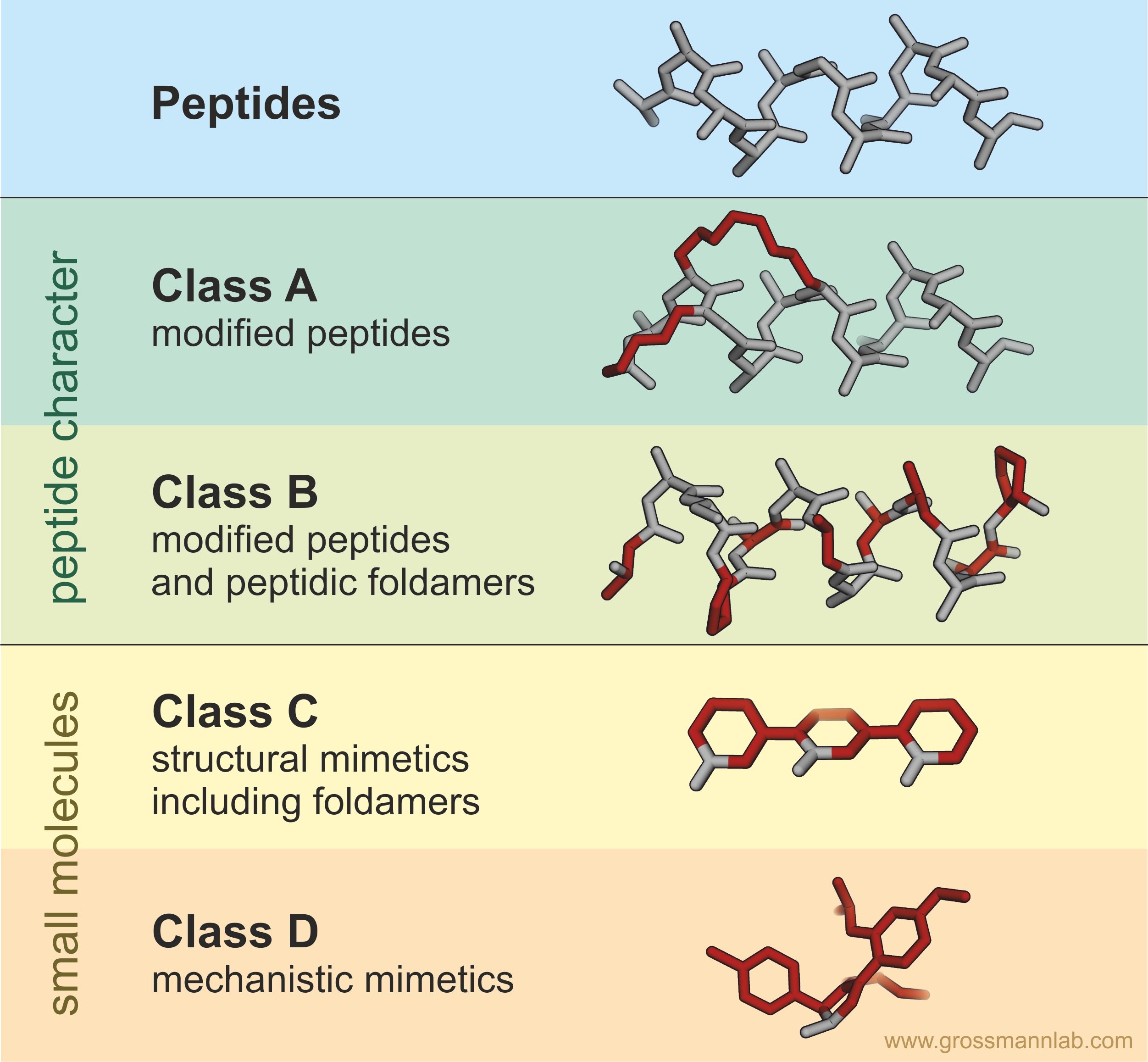
On peptides, peptide character, and small molecules.

A short primer for investigators newly approaching peptide research. The chemistry, the classification, and the reasons these compounds behave differently to the small molecules most of pharmacology was built on.

Figure 01 · Peptide classification Source · reference material
Infographic classifying peptide classes, peptide character, and the distinction from small molecules.
Primer · SM-REF-01 · v01.2026

Peptides sit between two worlds.

A peptide is a chain of amino acids held together by peptide bonds. Below roughly fifty residues we speak of peptides; beyond that threshold the chain takes on the folding, regulatory, and functional properties of a protein. In the other direction, below around ten residues, the classification begins to blur into the territory of small molecules, because their size, specificity, and mode of action start to converge.

Character defines behaviour.

Peptide character determines how a compound distributes, how long it survives in circulation, whether it crosses membranes unassisted, and which receptors it engages. A tripeptide like GHK-Cu behaves nothing like a long-chain analogue such as Retatrutide, and neither behaves like a classical orally-bioavailable small molecule. Classification is not taxonomy for its own sake. It is the starting point for any competent protocol.

Class I Short peptides 2 – 10 residues. High receptor specificity, short half-life, rapid proteolysis.
Class II Mid-chain peptides 10 – 50 residues. Discrete tertiary character. Most therapeutic-grade analogues sit here.
Class III Protein-scale 50+ residues. Folded structure, full enzymatic and regulatory behaviour.
03 · Analytical Verification

Batch SM-2025-Q4-0418 · Chromatogram inspection.

Method RP-HPLC · C18 Operator QC-04 · D. Brunner
Chromatogram · Batch SM-2025-Q4-0418 · SM-2025-Q4-0418 UV 220 nm · 1.0 mL/min
800 600 400 200 0 mAU 0 2 4 6 8 10 retention time · minutes PEAK · tR 4.62 min · 99.41% solvent · 1.50 min impurity · 0.21%
ColumnC18 · 4.6×150mm · 5µm
Mobile phaseACN / 0.1% TFA
Injection10 µL · 1.0 mg/mL
Temperature25.0 °C
Batch Release Statement. Batch SM-2025-Q4-0418 has been analytically reviewed against internal release specification SOP-QC-014 / Rev 06. RP-HPLC chromatographic analysis returned an integrated peak purity of 99.41% at 220 nm with no impurity exceeding 0.30%. Endotoxin assay (LAL) returned < 0.05 EU/mg. The batch is released for European research distribution under chain-of-custody protocol CC-EU-2026. Release is contingent on cold-chain integrity at 2–8°C through final hand-off.

Download COA · SM-2025-Q4-0418.pdf →
Dr. Daniel Brunner Quality Director · SM-ZRH
04 · Biological Context

Why peptides behave the way they do in the body.

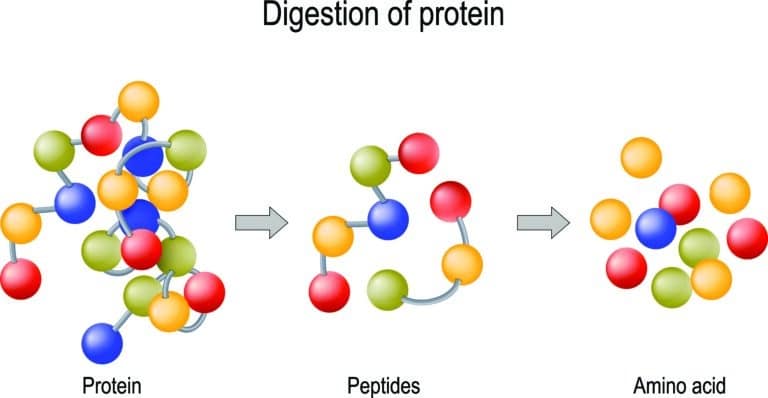
Figure 02 · Peptide digestion pathway Protein → peptides → amino acids
Infographic explaining peptide digestion: protein broken into peptides, peptides broken into amino acids.
Schematic · qualitative reference SM-REF-02 · v01.2026
01 · Hydrolysis

Proteins become peptides.

Dietary proteins enter the gastrointestinal tract as long amino-acid chains. Pepsin in the stomach initiates hydrolysis; trypsin and chymotrypsin in the small intestine continue the process. The chains fragment into shorter peptides of varying length. This is why oral bioavailability is the hard problem of peptide therapeutics.

02 · Absorption

Shorter chains survive longer.

Di- and tri-peptides are absorbed through the intestinal epithelium via specific transporters, primarily PEPT1. Longer peptides are typically degraded before absorption. This selective survival explains why many peptide therapeutics are delivered parenterally, and why short-chain compounds occupy a distinct pharmacological space.

03 · Reduction

Amino acids as the terminal state.

Inside the enterocyte, intracellular peptidases complete hydrolysis into free amino acids. These are exported to the portal circulation. From a research standpoint this means that investigating intact peptide activity requires careful attention to route, formulation, and enzymatic environment, not only receptor affinity.

05 · Molecular Intelligence

Four molecules under live inspection.

Scroll horizontally · 04 plates
06 · Evidence Wall

Reconstructed datasets from peer-reviewed literature.

Mercury series denotes Swiss Molecules data. Carbon series denotes comparator.
Accelerated wound closure · BPC-157 vs control Plate 06.01
100 75 50 25 0 D4 D7 D11 D14 D16 D18 BPC-157 · 800 ng/mL Control % Wound closure
Sikiric et al. 2015 · Alkali-burn rat model · DOI 10.2174/138161210793292546 Read note →
Sustained GH & IGF-1 response · CJC-1295 Plate 06.02
10× D1 D3 D5 D7 D10 D14 Growth hormone IGF-1 Fold change vs baseline
Teichman et al. 2006 · Healthy adult males · DOI 10.1210/jc.2005-0735 Read note →
Body-weight reduction · Retatrutide 12 mg vs placebo Plate 06.03
20% 15% 10% 5% 0 W4 W12 W24 W36 W48 Retatrutide 12 mg Placebo Body-weight reduction (%)
Jastreboff et al. 2023 · TRIUMPH Phase 2 · DOI 10.1056/NEJMoa2301972 Read note →
Batch purity · vendor benchmark (HPLC) Plate 06.04
SWISS MOLECULES · 99.41% Vendor A · 96.10% Vendor B · 95.20% Vendor C · 97.85% 90% 94% 98% 100% Mean batch purity (HPLC)
Internal benchmark · 12 vendors · 240 batches · 2024–2026 Read note →
“Chain-of-custody chromatography is not a feature. It is the precondition for calling something research-grade at all.” — Operating credo · Swiss Molecules · Zürich
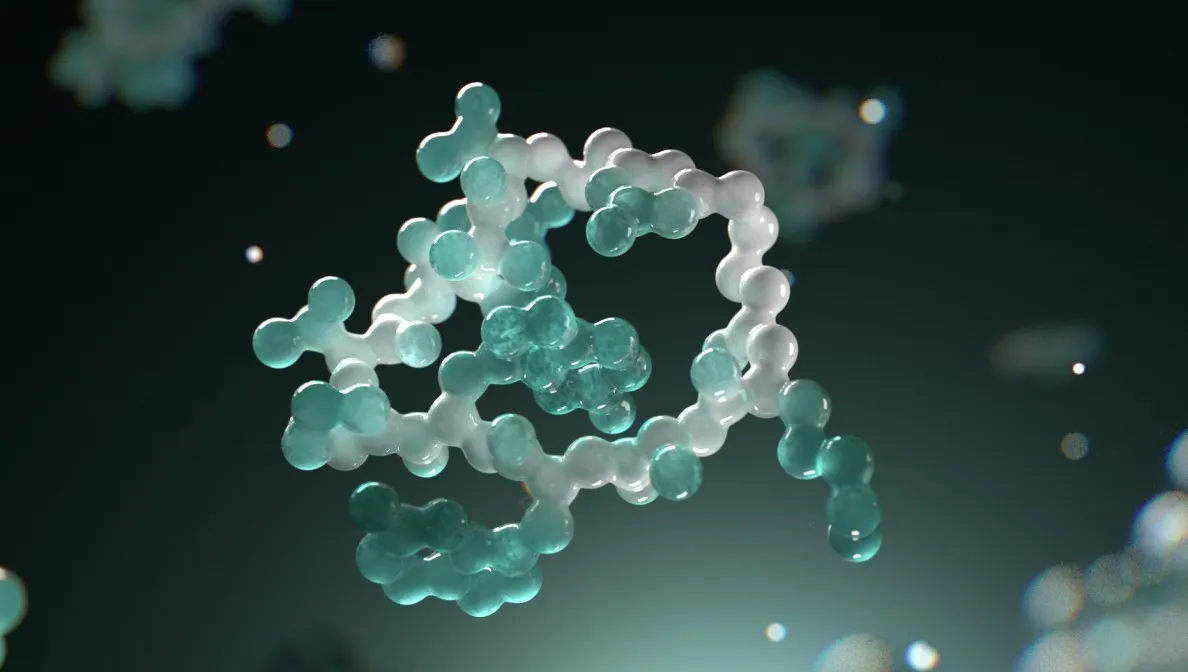
Figure 03 · peptide aesthetic reference
07 · Protocol Intelligence

Operational notes for qualified investigators.

Prot · 01

Reconstitution

Reconstitute lyophilized peptides in bacteriostatic water for injection (BWFI, 0.9% benzyl alcohol) at 2 mg/mL unless an alternative diluent is specified by your study protocol. Inject diluent against the inner wall of the vial. Do not agitate. Permit 30 seconds for hydration prior to gentle inversion.

Download SOP-REC-02 PDF →
Prot · 02

Storage & chain

Lyophilized vials are stable at -20°C for 24 months from date of manufacture. Reconstituted material is stable at 2–8°C for 28 days under aseptic handling. Avoid repeated freeze-thaw cycles. All shipments transit under continuous cold-chain monitoring; investigators should verify integrity tag prior to acceptance.

Download SOP-STO-01 PDF →
Prot · 03

Handling & documentation

All handling should occur within a class-II laminar flow cabinet under standard aseptic technique. Each vial carries a QR-traceable batch identifier linked to the originating chromatogram, COA, and release statement. We recommend laboratory record-keeping that captures lot, reconstitution date, and concentration to maintain study reproducibility.

Download SOP-HND-04 PDF →
08 · Logistics & Chain-of-Custody

Origin · Zürich. Distribution · European research network.

● Live · 38 shipments in transit SM-ZRH · 47.3769°N / 8.5417°E
SM · Zürich Origin · Cold-chain hub UK · 24h Iberia · 48h Italy · 36h CEE · 48h Nordics · 48h Greece · 60h
Operational standards
Origin facilitySM-ZRH · CH
Cold-chain integrity2–8 °C · verified
Carrier protocolDHL Express · Med
InsuranceFull-value · CH-EU
TrackingEnd-to-end · SHA-signed
CustomsEU compliant · pre-cleared
PackagingDiscreet · neutral exterior
Mean transit36 h · DACH
Regulatory Notice · Research Use Only

All compounds offered by Swiss Molecules are sold strictly for in-vitro laboratory and pre-clinical research applications. The materials are not intended for human consumption, therapeutic use, diagnostic procedures, cosmetic application, or veterinary use. Customers acknowledge that they are qualified scientific investigators operating in a recognised research setting and assume full responsibility for compliance with applicable national and EU regulations governing the handling, storage, and final disposition of research compounds.